

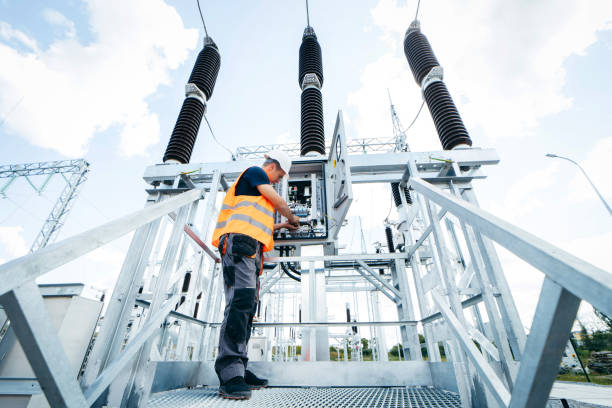
Generators have been a crucial part of the industrial world since their invention in the 19th century. They are used to convert mechanical energy into electrical energy, allowing industries to continue operations during power outages or in areas where electricity is not readily available. There are two primary types of generators: direct current (DC) and alternating current (AC). Both have unique characteristics, benefits, and uses within various industries.
DC generators produce direct current power through electromagnetism. The main difference between DC and AC generators lies in how they transfer generated electric charges. In a DC generator, the electric charge flows in one direction continuously, which makes the produced electricity stable and consistent. This consistency makes DC generators ideal for systems that require a steady power supply without fluctuations such as battery charging, electroplating processes or operating DC motors.
On the other hand, AC generators create an output where electric charge changes its direction periodically; hence it’s called alternating current. This means that unlike DC power which remains constant, AC voltage rises and falls in a predefined rhythmic pattern known as sine wave. One significant advantage of AC over DC is that it can be easily transformed from high to low voltage levels using explore further transformers making it more suitable for long-distance transmission.
In terms of efficiency, both types of generators perform well under different circumstances. An AC generator tends to be more efficient when running under full load conditions while a DC generator performs better under variable load conditions due to its ability to maintain constant voltage output regardless of load variations.
The choice between these two types depends largely on their intended use within an industry setting. For instance, telecommunications companies often prefer using DC generators because they provide stable energy required by sensitive electronic equipment whereas utilities companies commonly use AC generators due to their ability for long-distance transmission with minimal loss.
Moreover, transportation industry also widely uses both types depending on specific needs: airplanes typically use AC systems because they’re lighter and more reliable while automobiles traditionally use DC systems due to their simplicity and compatibility with battery-powered operations.
In conclusion, both DC and AC generators have unique characteristics that make them suitable for different industrial uses. While DC generators offer stability and consistency, making them ideal for sensitive electronic equipment, AC generators provide the advantage of easy voltage transformation which is beneficial for long-distance transmission. Therefore, it’s essential to understand these key differences when choosing the most suitable generator type for specific industry needs.